
Description
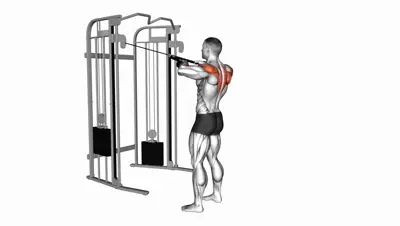
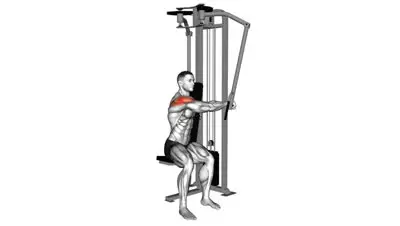
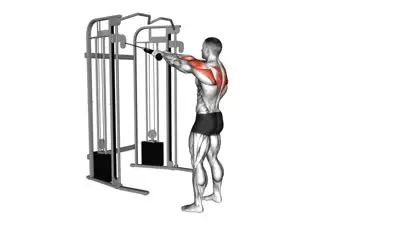
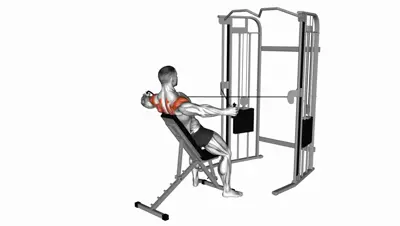
The cable face pull is the corrective powerhouse of upper-body training — a high-cable pull to the face that hammers the rear delts, mid traps and external rotators in one motion. Set at face height with a rope attachment, it combines horizontal pulling with external rotation, strengthening exactly the muscles that decades of pressing leave behind. Coaches prescribe it as insurance for the shoulders as much as for looks: stronger rear delts and rotators improve posture, stabilize the press, and fill in the back of the shoulder that completes a three-dimensional delt.
How to perform
- Set the cable at face height Attach a rope to a pulley set at face level or slightly above. Grab the rope ends with thumbs pointing back toward you.
- Step back into a split stance Walk back until the stack is lifted, one foot behind the other for balance, core braced and chest tall.
- Pull toward your forehead Drive your elbows high and wide, pulling the rope ends toward your forehead and slightly apart as they approach.
- Rotate the hands back As the rope reaches your face, externally rotate so your knuckles point at the ceiling and thumbs aim behind you — like flexing both biceps.
- Squeeze the rear delts Hold the end position for a full second, shoulder blades pulled together and down, without shrugging toward the ears.
- Return with full control Let the rope travel back slowly until your arms are extended and you feel a stretch across the rear delts, then begin the next rep.
Tips
- Pull the rope apart, not just back — the wider your hands finish, the harder the rear delts and external rotators work.
- Keep the elbows at or above shoulder height for the entire pull; dropping them turns the face pull into a generic row.
- Go lighter than your pride suggests — this is a quality movement, and the stack should never move your torso.
- A half-kneeling stance kills cheating instantly if you feel yourself leaning back to finish reps.
- Treat the one-second squeeze as non-negotiable: the end-range contraction is where the posture-muscle payoff lives.
Common mistakes
- Loading too heavy — momentum and torso lean take over, the rear delts never feel the set, and the movement loses its corrective purpose.
- Pulling to the chest or neck — a low pull line removes the external-rotation component that makes the face pull unique; aim at forehead height.
- Letting the elbows drop below the wrists — this shifts the work to the lats and biceps instead of the rear delts and rotators.
- Skipping the external rotation — finishing with knuckles forward keeps the rotator cuff out of the movement entirely.
- Rushing the return — letting the stack yank your arms forward wastes the eccentric and encourages a rounded-shoulder finish.
Recommended sets & reps
| Sets | Reps | RIR | |
|---|---|---|---|
| Strength | 3–4 | 8–10 | 1–2 |
| Hypertrophy | 3–4 | 12–15 | 1–2 |
| Endurance | 2–3 | 15–20 | 2–3 |
| Power | 3 | 8–10 | 2–3 |
These ranges are working sets only — add 1–2 progressive warm-up sets before each working set. Pair with 2× per week frequency to reach ~10–20 weekly sets per muscle group, the volume range supported by current evidence (Schoenfeld 2017, Pelland 2025).
Benefits
Strengthens the rear delts, mid traps and rotator cuff — the exact muscles that counteract the forward-rounded posture built by pressing, desks and phones. Regular face pulls improve shoulder stability under the bar, which shows up as a stronger, safer bench press and overhead press. Develops the back of the shoulder that side and front delt work cannot reach, completing the look of a fully developed delt. The cable provides constant tension through a range free weights cannot match overhead. Minimal fatigue cost means it slots into any session as a finisher or between pressing sets without stealing recovery.
Frequently asked questions
What muscles do face pulls work?
Primarily the rear delts, with strong contributions from the mid and lower traps, rhomboids and the external rotators of the rotator cuff. It is one of the few movements that trains pulling and external rotation together — the combination that makes it so valuable for posture and shoulder health.
How heavy should face pulls be?
Light enough that the rope pauses at your face for a full second with zero body lean — for most lifters that means 15 to 35 kg on the stack. The moment your torso rocks to move the weight, you have left the rear delts behind.
Should face pulls be done daily?
They tolerate high frequency well because the loads are light, and two to four sessions per week is plenty for measurable posture and shoulder-health returns. Adding a light set between pressing sets is a popular and effective way to accumulate volume.
Face pulls vs rear delt fly — do I need both?
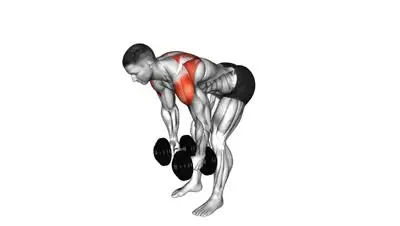
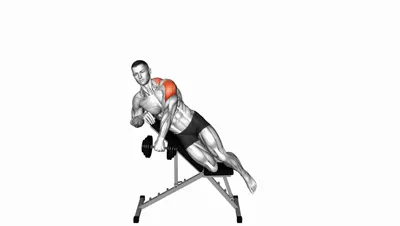
They overlap on the rear delts but are not redundant: the face pull adds external rotation and mid-trap work, while the rear delt fly isolates pure horizontal abduction through a longer arc. Strong programs often rotate or combine them across the week.
Educational guidance only — not a substitute for in-person coaching. Train within your ability and use a spotter for heavy attempts.